
Recent Posts




Why Men Shouldn’t Skip Routine Checkups with Their Primary Care Doctor

Many men tend to put off routine checkups with their primary care doctor, often prioritizing work, family or other responsibilities over their own health. However, regular visits to a healthcare provider are essential for detecting potential health issues early, managing existing conditions and improving overall well-being. Preventive care can make a significant difference in maintaining long-term health and preventing or diagnosing serious medical conditions early.
The Importance of Routine Checkups
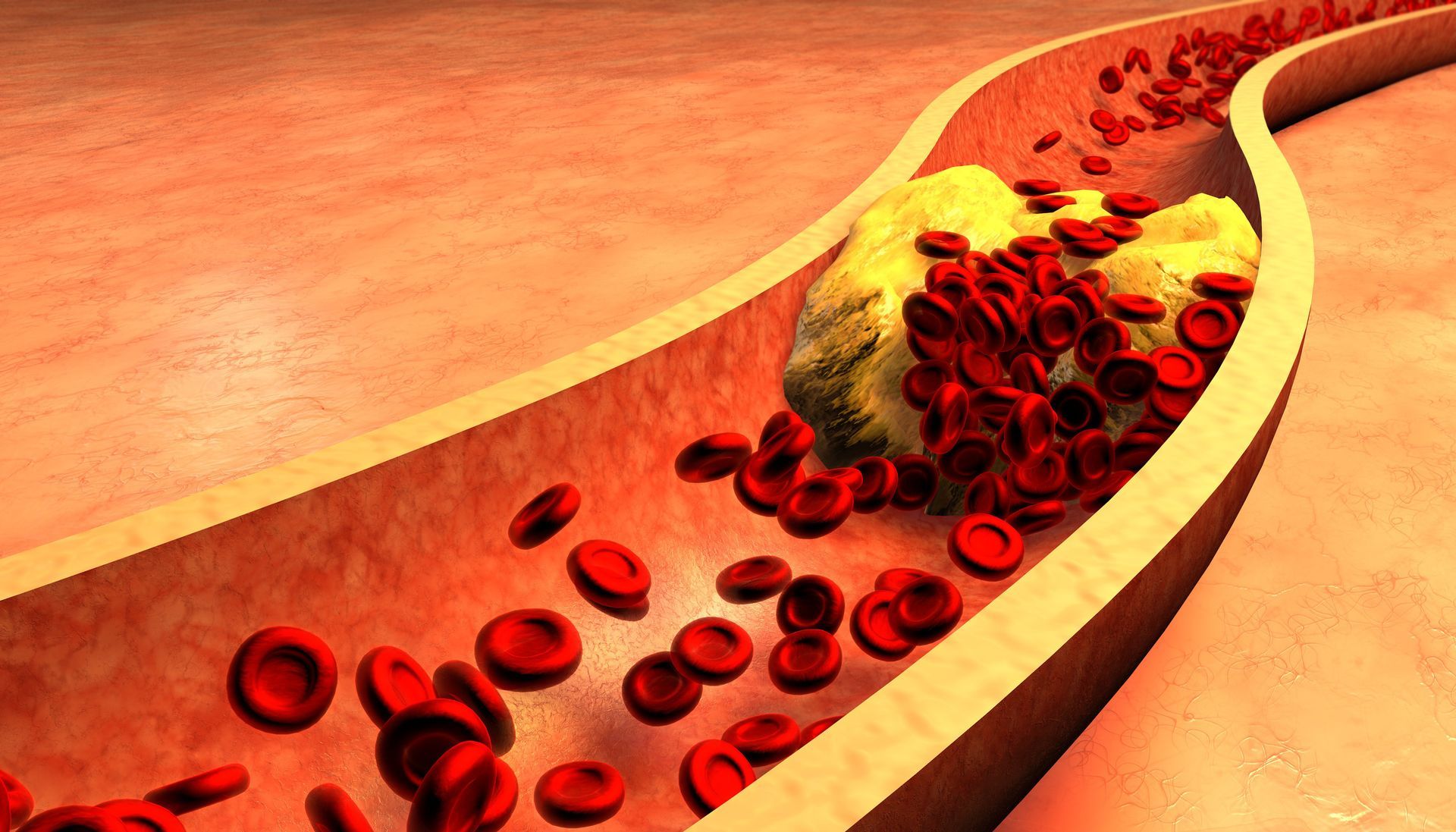
Routine checkups allow doctors to monitor key health indicators such as blood pressure, cholesterol levels and blood sugar. These visits also provide an opportunity to discuss lifestyle habits, mental health and other factors that contribute to overall wellness. Skipping these appointments may lead to undiagnosed conditions that could become more severe over time.
Key Health Risks for Men
Men face unique health risks that make regular checkups even more important. Some of the most common concerns include:
- Heart Disease: The leading cause of death among men in the U.S., heart disease can often be managed with lifestyle changes and early intervention.
- High Blood Pressure: Often called the "silent killer," high blood pressure has no obvious symptoms but can lead to heart attacks and strokes if left untreated.
- Diabetes:
Routine screenings can detect diabetes early, allowing for better management and prevention of complications.
- Prostate Cancer:
Regular screenings, especially for men over 50, can help detect prostate cancer in its early stages when treatment is most effective.
- Colorectal Cancer:
Men should begin regular screenings for colorectal cancer at age 45, or earlier if there is a family history.
- Mental Health Concerns: Depression and anxiety are often overlooked in men, yet they can significantly impact overall health and well-being.
Benefits of Preventive Care
Preventive care is not just about diagnosing diseases—it’s about taking proactive steps to stay healthy. Regular checkups can:
- Detect health issues early, leading to more effective treatment
- Reduce the risk of developing chronic illnesses
- Improve quality of life through better health management
- Provide guidance on diet, exercise and other healthy habits
- Keep vaccinations up to date to prevent serious illnesses
Overcoming Barriers to Regular Checkups
Many men avoid doctor visits due to fear, lack of time or a belief that they don’t need medical attention unless something is seriously wrong. However, taking control of one’s health should be a priority—not just for yourself, but for the loved ones who rely on you. Prioritizing regular checkups and preventive care helps ensure you’ll be there for your family, both now and in the years to come.
Men may find it easier to attend regular routine primary care visits if they:
- Schedule Appointments in Advance:
Set reminders and treat checkups as essential appointments that cannot be skipped.
- Choose a Doctor You Trust: Finding a physician who understands your concerns and communicates well can make visits more comfortable.
- Bring Up Concerns: If there are specific health issues or symptoms, addressing them early can prevent more serious complications or invasive treatments later.
What to Expect During a Routine Checkup
A standard primary care visit typically includes:
- Medical History Review:
Discussion of past and current health conditions, medications and family history.
- Vital Signs Check: Blood pressure, heart rate, temperature and weight measurements.
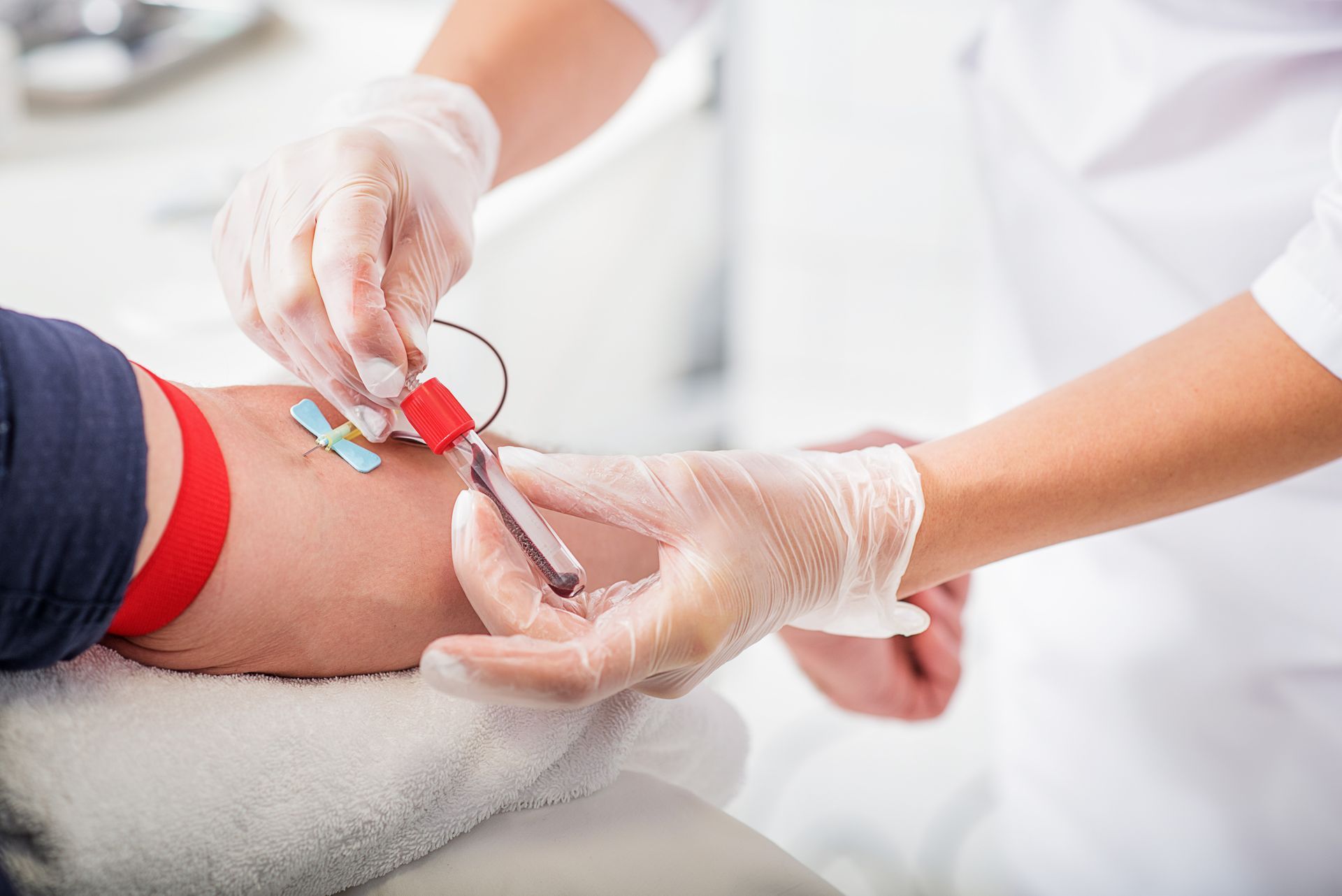
- Blood Work and Lab Tests: Screening for cholesterol, blood sugar and other important health markers.
- Cancer Screenings: Depending on age and risk factors, screenings for prostate, colorectal and skin cancer may be recommended.
- Lifestyle and Mental Health Discussion: Doctors may ask about stress levels, diet, exercise habits and mental well-being.
Prioritize Regular Checkups at Our Healthcare Facility
Prioritizing regular checkups is one of the best ways for men to stay healthy and catch potential issues before they become serious. If you have been postponing your routine visit, now is the time to take action. St. Hope Healthcare offers comprehensive, confidential and compassionate care to help men stay on top of their health.
Schedule an appointment with St. Hope Healthcare today through our website or give us a call at (713) 778-1300 and take the first step toward a healthier future.