
Recent Posts




Sexual Health Awareness
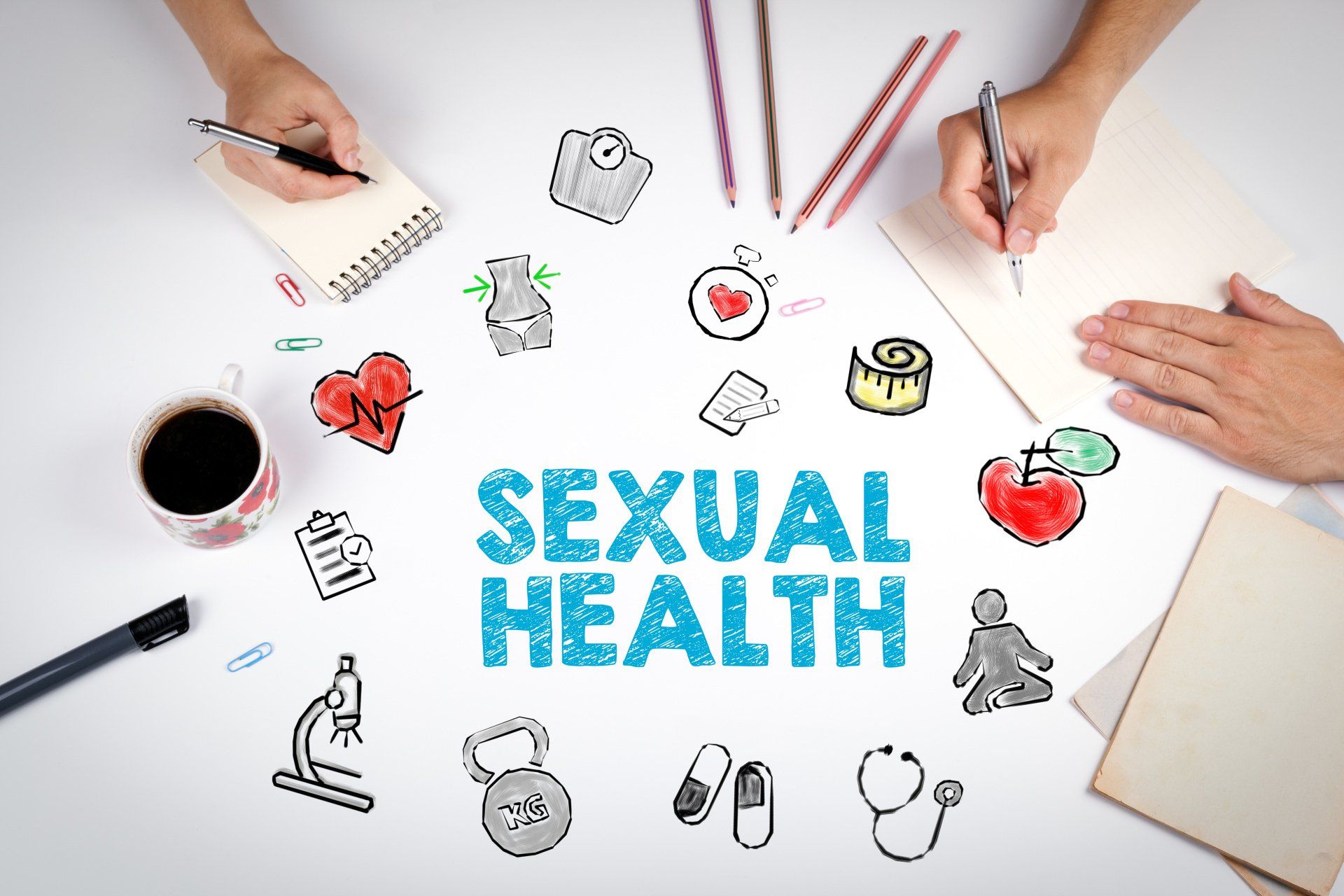
Coming up with a defined description for sexual health is a difficult task, because each culture, sub-culture, and individual has different standards of sexual health. According to WHO (World Health Organization), sexual health is a state of physical, mental and social well-being in relation to sexuality.
This definition indicates that sexual health is more than avoiding STD’s or unplanned pregnancies. Sexual health doesn’t merely focus on preventative behaviors/actions, but, as shown in the definition above, it also encompasses having a preventative mindset. It requires a positive approach to sexuality and sexual relationships, which includes safe sexual behaviors, free from discrimination and violence.
Within the scope of sexual health it is important to know different ways of protecting yourself from physical as well as mental harm. For example, ways to physically protect yourself are to practice behaviors of safe sexual experiences. Condom usage as well as the use of contraceptives are highly important when discussing preventative solutions for unplanned pregnancy and contracting sexually transmitted infections. Mental harm can include abuse, either physical or mental. For example, sustaining from encounters with individuals that have caused mental and physical abuse is a preventative measure. Also by allowing oneself time to grieve or overcome an instance that occurred in the past of mental or physical harm allows the individual growth as well as time to prepare their mind for a sexually healthy relationship.
Someone who has had a STD or unplanned pregnancy does not prevent them from becoming sexually healthy. The important message is to start now, develop a sexually healthy lifestyle today. Join St Hope as we bring awareness to sexual health.
For more information visit the links below:
http://www.who.int/topics/sexual_health/en/
http://www.ashasexualhealth.org/sexual-health/
http://www.cdc.gov/sexualhealth/