Recent Posts





How Does Social Media Affect Our Mental and Physical Health?
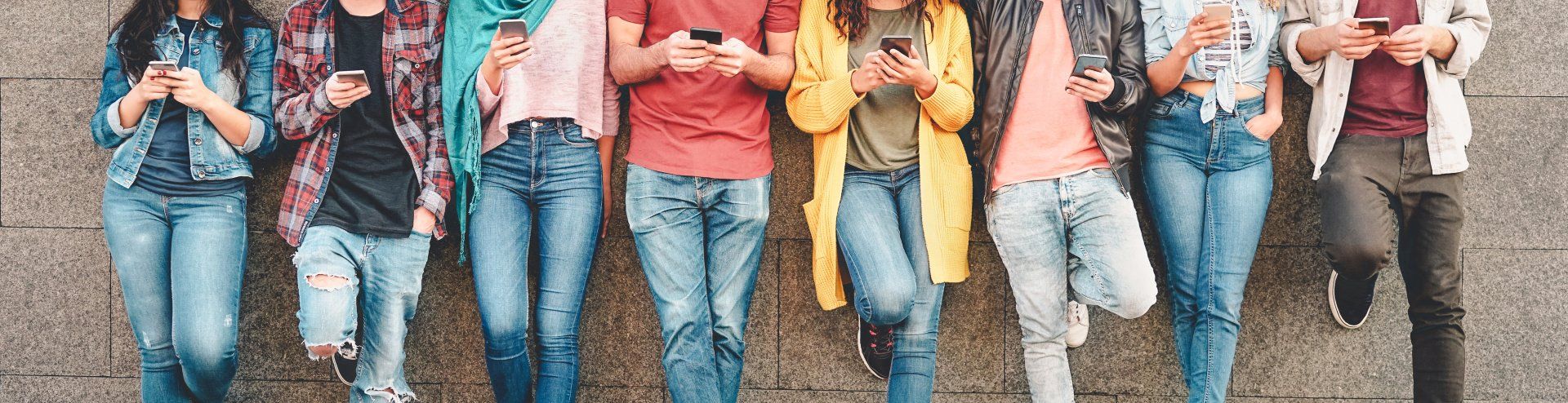
Logging onto social media has become a daily routine for many of us. According to a 2016 poll, 79% of Internet-using adults have a Facebook account. Additionally, 76% of Facebook users report logging on once per day, with 55% logging on several times per day. Another study recently estimated we spend a combined 50 minutes on social media each day, which extrapolates to roughly five years per lifetime.
So, not only are most of us on social media, but we’re on it a lot. What does that mean for our overall health? Unfortunately, there isn’t one simple answer. There are many pros and cons to social media and its overall effect on our mental and physical health which should be considered.
Pros of Using Social Media
- Connects People – Most users cite “connecting with friends and family” as a primary reason for using sites like Facebook. Feeling connected and having a sense of belonging has significant mental health benefits.
- Entertainment – Social media can serve as a quick respite from the stress of the real world. Keeping up with interests and consuming media are ways users relax and unwind with social media.
- Can Reduce Health Problems – Having a large group of “friends” online can have a contagion-like effect, which means the quality of life can improve when healthy physical and mental lifestyles are encouraged in online circles. For example, groups dedicated to helping one another quit smoking.
- Empowers Individuals to Make Social Change – There have been numerous instances where one person has sparked a change within their community because of the mass reach and instant connectivity of social media.
- Senior Citizens Feel More Connected – People 65 years and older, which has been one of the fastest growing social media demographics during the past 10 years, feel happier and more connected to society when they use social media than they would otherwise.
Negative Effects of Social Media on Physical and Mental Health
- Comparing Ourselves with Others is Unhealthy – Spending a lot of time looking at others’ “highlights” online naturally leads to thinking of ourselves as better or worse off, which links to jealousy and more severe depressive symptoms.
- Sedentary Lifestyle – It shouldn’t come as a surprise that looking at your phone or sitting at your computer for long periods of time can lead to a more sedentary lifestyle, which can have negative effects on your overall physical health.
- Triggers More Sadness – Facebook has been linked to less overall satisfaction with life, likely due to feelings of social isolation. Additionally, more time spent on sites like Facebook and Instagram has been shown to increase these feelings.
- It Can Be Addictive – Research has shown users can suffer from addictive behavior using social media and show psychological symptoms of withdrawal when they’re unable to log on.
- Cyber Bullying – Social media connects us all but it isn’t always a good thing. In one study, 52% of students reported being cyberbullied, with Facebook accounting for the bullying channel 84% of the time.
Contact St. Hope Foundation in the Greater Houston Area for Mental Health Care
Evidence suggests social media can have positive and negative effects on our mental health, and as the old adage goes, you can have too much of a good thing. Users ranging from Generation Z to senior citizens should be conscious of their usage habits one way or another. If you believe you’re experiencing mental health issues, don’t hesitate to reach out to the licensed behavioral health professionals at St. Hope Foundation. Contact us online or by phone at (713) 778-1300 today.
https://socialnetworking.procon.org/
https://www.psychologytoday.com/blog/the-athletes-way/201511/loneliness-perceived-social-isolation-is-public-enemy-no-1
https://www.lifewire.com/advantages-and-disadvantages-of-social-networking-3486020
https://usatoday30.usatoday.com/life/lifestyle/2009-09-27-social-networking_N.htm
https://dmlcentral.net/facebook-public-education-and-equity-a-13-year-old-fights-for-a-better-school/
http://www.pewinternet.org/2015/10/08/social-networking-usage-2005-2015/
https://www.forbes.com/sites/alicegwalton/2013/01/22/jealous-of-your-facebook-friends-why-social-media-makes-us-bitter/#461118c035cc
http://www.mdpi.com/1660-4601/8/9/3528/htm?hc_location=ufi