
Recent Posts



Protein
Protein
Written by: Cristina L. Morales, MPH RDN LD
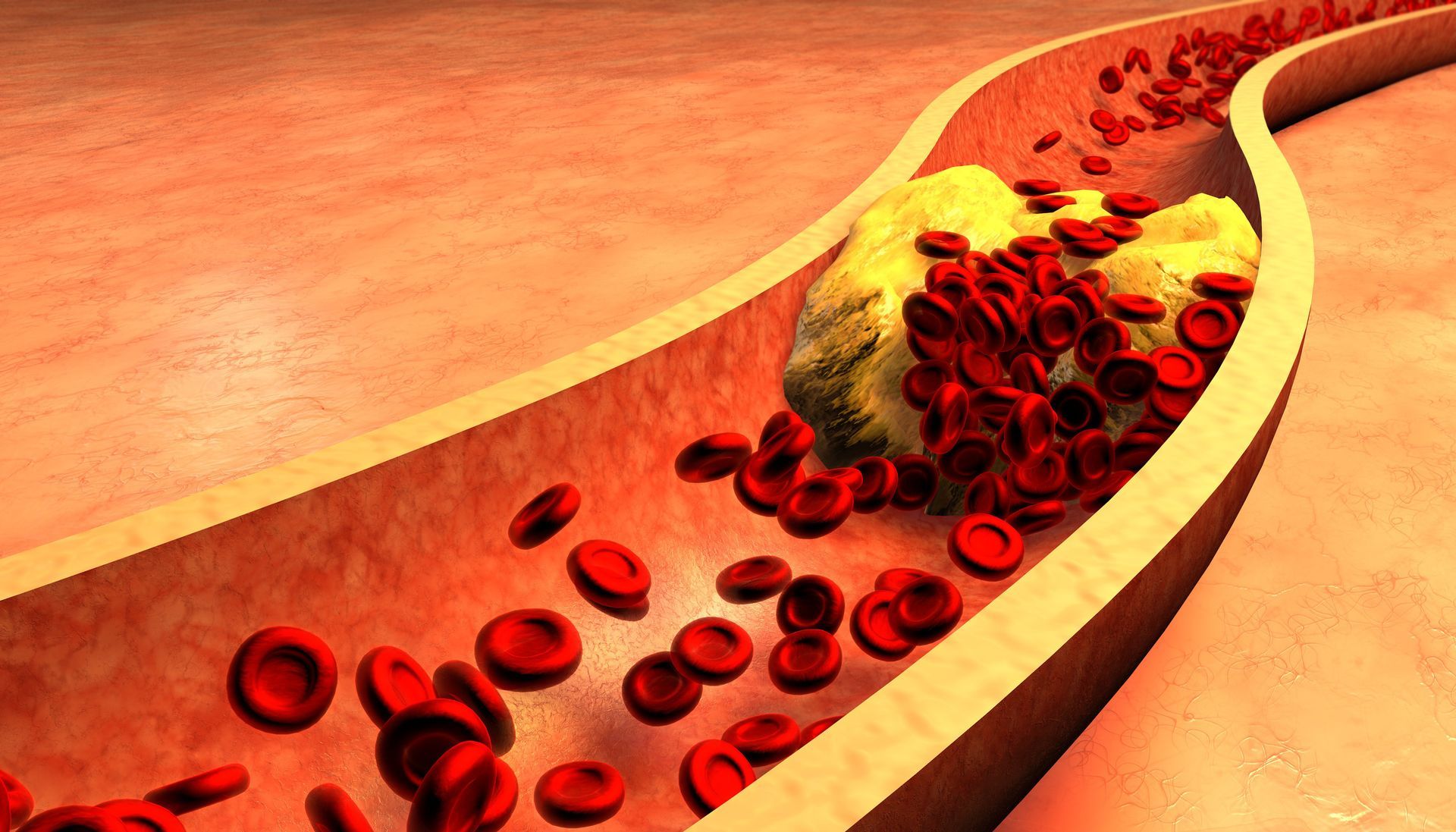
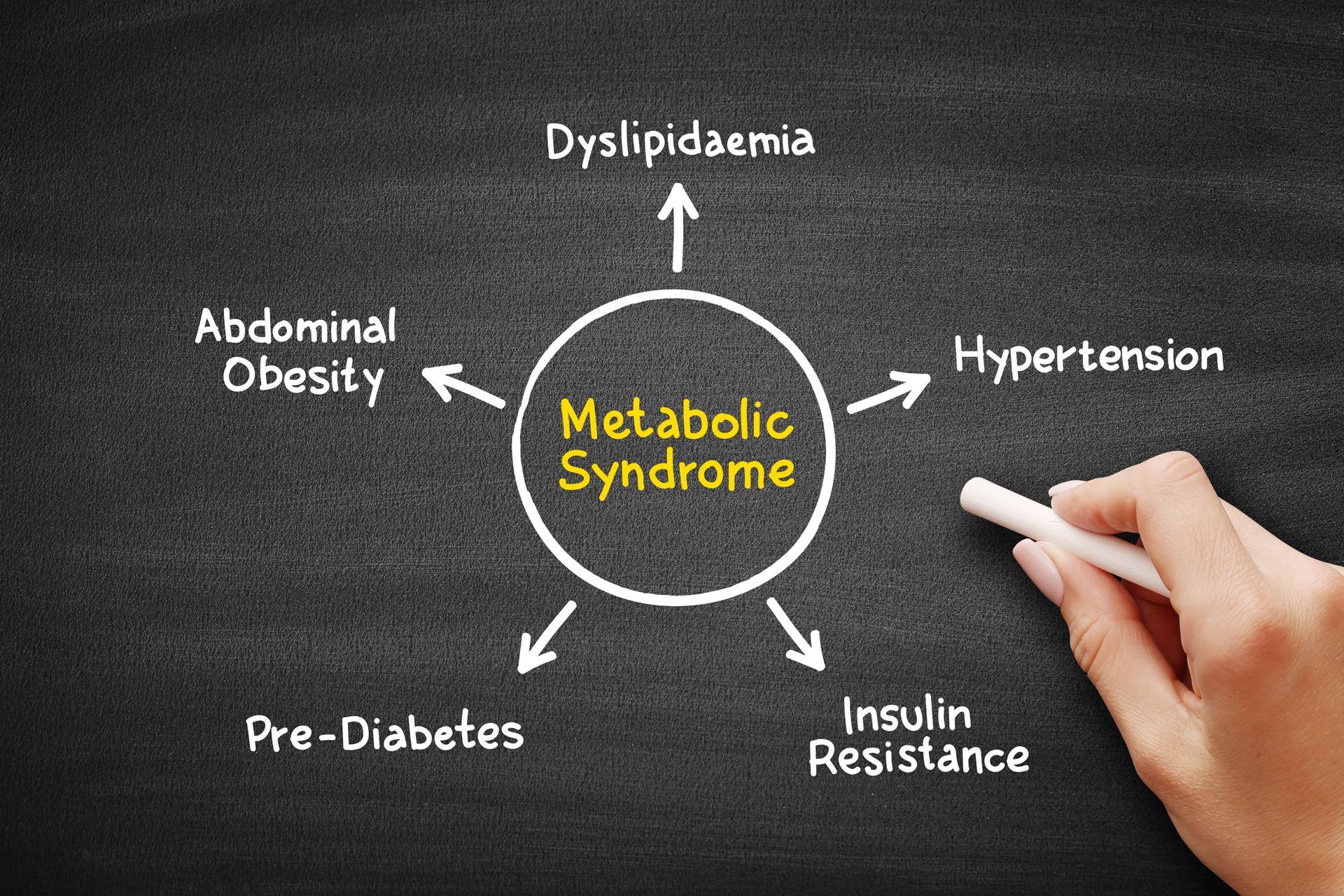
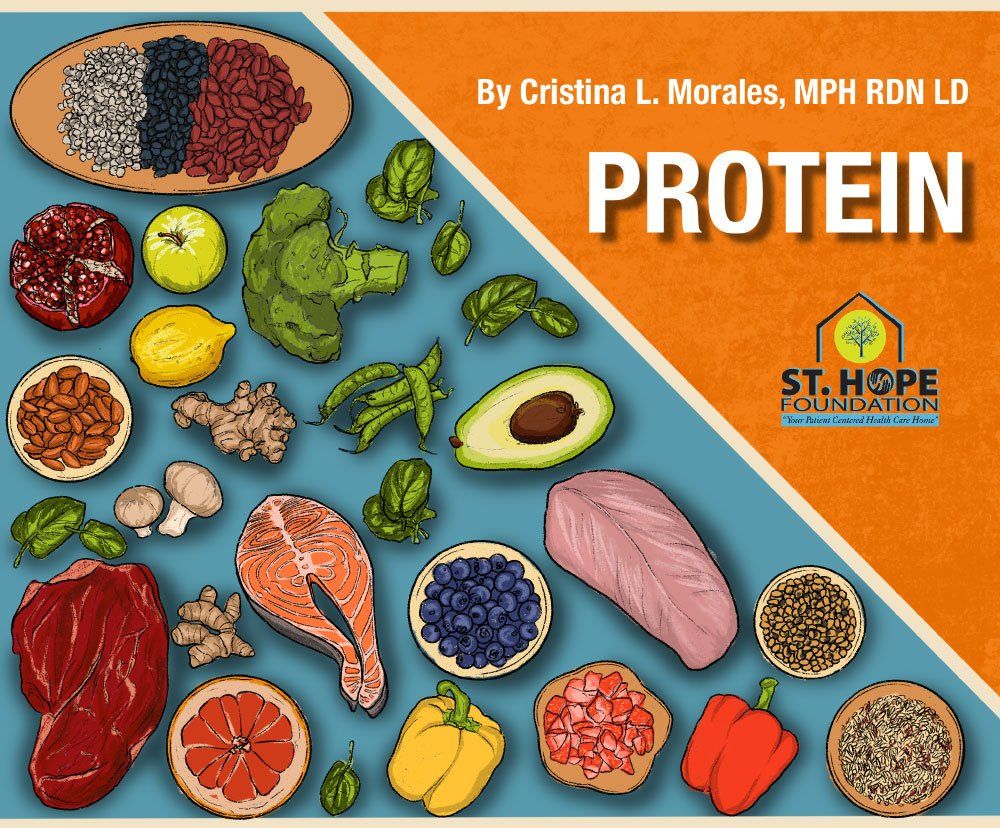
In my practice, I often talk about plant-based eating and plant proteins. Protein is a macronutrient and used for tissue repair and growth and other processes in the body. The amount of protein your body needs depends on if your male or female, age, body weight, and level of activity. An average adult needs about 0.8 grams protein per kilogram of body weight and most Americans eat more than recommended. Protein can be consumed from animal foods such as beef, pork, chicken, fish, eggs, and dairy. These foods are high in saturated fat and low in fiber, however, do offer complete proteins. Complete proteins consist of several amino acids and include 9 amino acids that solely come from the diet. If your vegan or vegetarian, consuming essential amino acids requires some planning and pairing of foods that offer complete proteins. For example, brown rice and beans consumed together offer a complete protein. Plant protein sources include a variety of beans such as black, pinto, navy, lima (butter beans), kidney or Red beans, and include peas, lentils, seeds, nuts, soybeans, plant-based milks, and some vegetables. Although obtaining protein form plant foods can be somewhat challenging for some folks, the choices are far more suitable for a heart healthy diet. Considering the connection between fatty meats such as bacon, bologna, fatty steaks, fried chicken, or fried fish, a bowl of vegetarian bean soup is low in fat, high in fiber, loaded with healthy proteins. With obesity on the rise and related chronic health conditions such as diabetes, hypertension, high cholesterol, stroke and heart disease, vegetarian meals are preferred for Americans who can benefit from eating less unhealthy fat. Give your heart a break and try a vegetarian meal today! Till next time, stay healthy and be well!
For a delicious high-protein meal, check out this recipe and share!
https://asimplepalate.com/blog/one-pot-easy-three-bean-chili/